- Get in Touch -
- (305) 600-5041


Most patients recover from a deep plane facelift in about two to three weeks to the point of feeling comfortable in public, return to exercise around four to six weeks, and see their final results settle in over six to twelve months. Swelling and bruising peak in the first few days, fade steadily through the second week, and continue to soften for months. We wrote Deep Plane Facelift Recovery Timeline: From Surgery to Results to show what each stage looks like, so you can plan your time off, travel, and daily routine with confidence.
Recovery starts before your surgery date. During your consultation, Dr. Gerth reviews your goals, your health history, and how the deep plane facelift fits your anatomy. Many patients pair it with a neck lift, eyelid surgery, or a brow lift. Combined procedures can add a few days to your healing, so your timeline is tailored to your full plan.
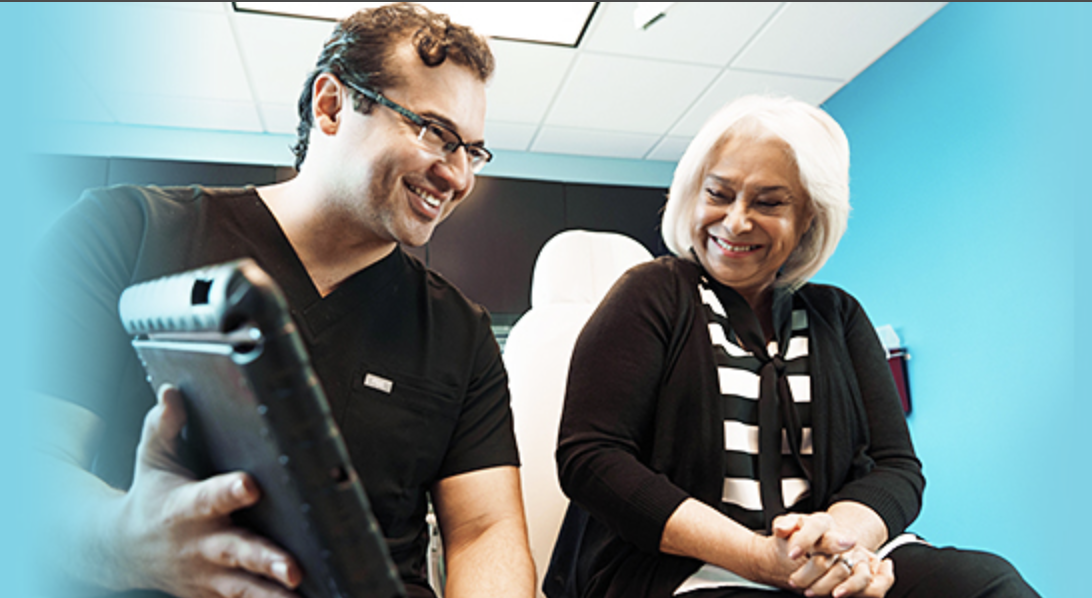
Before surgery, you will receive written instructions about medications, supplements, smoking, and arranging help at home. Following them closely sets the stage for smoother healing.
After surgery, you go home or to your recovery accommodations with a dressing or wrap in place. A trusted adult should stay with you for at least the first night. Since more than half of our patients travel to Coral Gables for surgery, we encourage out-of-town patients to plan their stay around the first week of follow-up visits.
The deep plane technique lifts the deeper tissues of the face as one unit rather than pulling on the skin alone. Dr. Gerth uses wide undermining in the deep plane, which creates a thicker, healthier tissue flap with improved circulation. This approach takes tension off the skin incisions so they heal under no tension. For patients, that often means incisions that heal cleanly and a result that looks natural rather than tight.
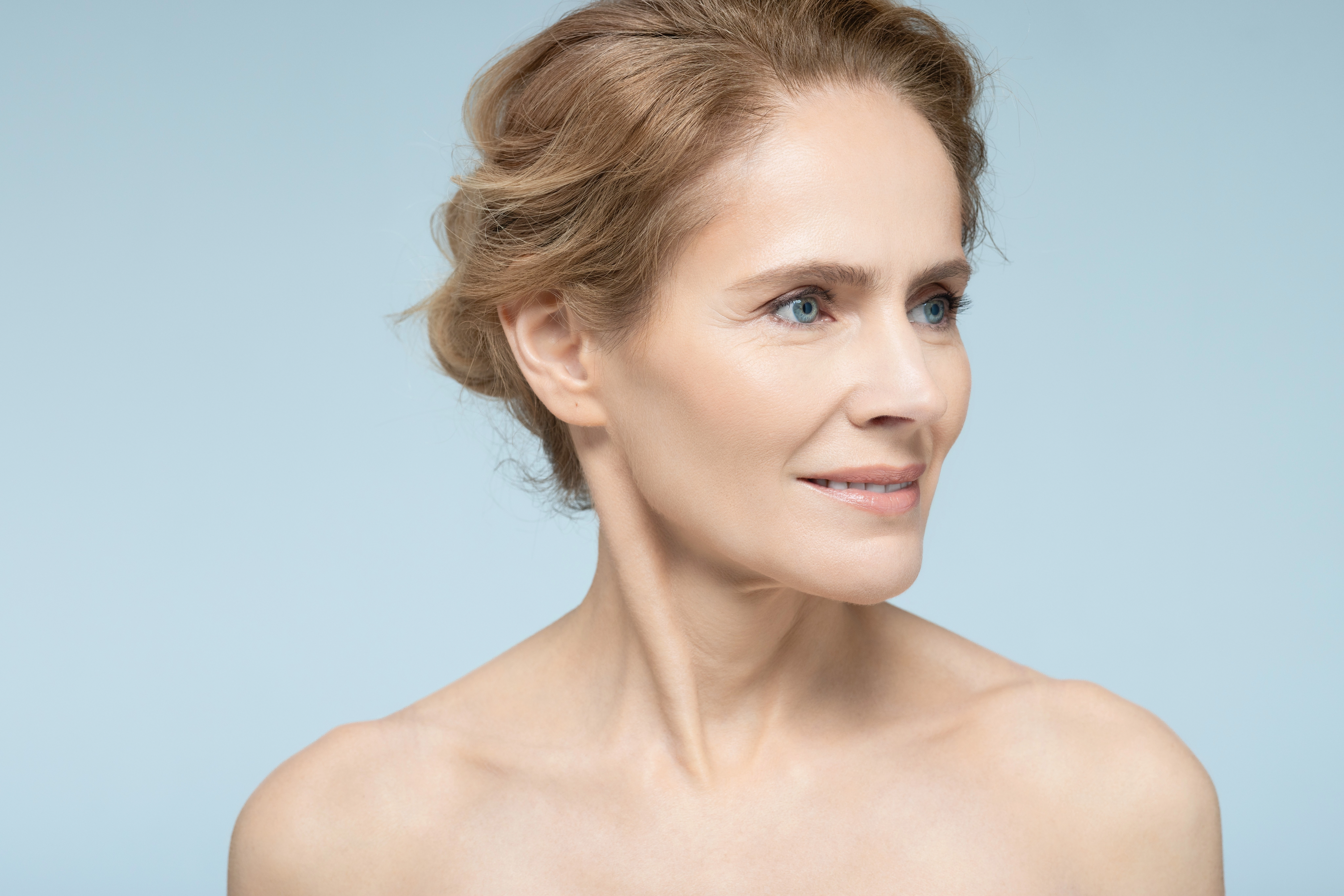
The most active phase of recovery lasts about two weeks. By the end of that period, most bruising has faded and swelling has dropped enough that many patients feel comfortable running errands or seeing friends.
Full recovery takes longer. Subtle swelling, numbness, and firmness along the jawline and cheeks can take several months to resolve completely. This is a normal part of how the deeper tissues settle into their new position.
Most patients return to desk work or remote work in about two weeks. Patients in public-facing roles often prefer to wait closer to three weeks, when any remaining bruising is easy to cover with makeup and swelling is less noticeable.
Jobs that involve heavy lifting, bending, or physical strain usually require four to six weeks away. Dr. Gerth will give you a return date based on your procedure and how you are healing.
Every patient heals at a slightly different pace. The stages below describe a typical course.
The first 72 hours are about rest. Swelling and bruising build during this time and usually peak around day two or three. Your face may feel tight, numb, or full, especially around the cheeks, jaw, and neck.
What to focus on during this stage:
Keep your head elevated, including while sleeping, to help swelling drain.
Take prescribed medications exactly as directed.
Apply cold compresses only as instructed.
Walk around your home several times a day to support circulation.
Eat soft foods that do not require much chewing.
Your first follow-up visit usually takes place within the first day or two. Dr. Gerth checks your incisions and changes your dressing if needed.
During the first week, swelling and bruising begin to fade. Most stitches are removed around five to seven days after surgery. Many patients notice their face looks uneven during this time. That is common, since swelling rarely resolves at the same rate on both sides.
By the second week, most patients feel much more like themselves. Discomfort is usually mild by this point. Bruising may shift toward the neck and turn yellow or green as it clears.
During this stage:
Continue sleeping with your head elevated.
Avoid turning your head sharply or bending forward.
Keep incisions clean as directed.
Wear a hat and stay out of direct sun.
Avoid lifting anything heavy.
This is the point where many patients start to feel social again. Most visible bruising has resolved, and swelling is noticeably reduced. Friends and coworkers may notice that you look rested without being able to pinpoint why.
You may still feel tightness or numbness along the jawline and in front of the ears. Sensation returns gradually as nerves recover. Light walking is encouraged. Once Dr. Gerth clears you, you can usually resume light makeup to cover any remaining discoloration.
By week four, most patients return to their full daily routine. With approval, you can gradually reintroduce cardio and strength training, starting at a lower intensity and building up over a few weeks.
Incisions continue to mature during this period. They may look pink or slightly raised at first and will fade over the coming months. Protecting them from the sun helps them blend in. Residual swelling may still be visible first thing in the morning or after salty meals, but it continues to improve.
Because the deep plane facelift repositions the deeper structures of the face, results tend to look natural as they develop. Patients often describe looking like a refreshed version of themselves rather than looking “done.” The jawline appears sharper, jowls are reduced, and the midface regains lost volume and lift.

Patience is part of the process. The final contour of your face does not appear until swelling has fully resolved.
One month: Most patients see a clear improvement in the jawline, cheeks, and neck. Some fullness and firmness remain.
Three months: The majority of swelling has resolved. Your face looks softer and more natural, and incisions continue to fade.
Six months: Results look close to final. Sensation has largely returned for most patients.
Twelve months: Remaining subtle swelling has settled, incisions have matured, and you see the full, lasting result.
A facelift does not stop the aging process, but it resets the clock. Many patients maintain their results over time with a healthy lifestyle, good sun protection, and skin treatments. Once you are fully healed, options such as laser skin resurfacing with our Erbium laser or Broad Band Light can improve skin tone and texture, which a facelift does not address on its own. BOTOX® can also help soften expression lines around the eyes and forehead.
Small daily habits make a real difference in how quickly and comfortably you heal. Our team recommends the following:
Prepare your recovery space in advance. Set up a recliner or a stack of pillows, and keep medications, water, and snacks within reach.
Arrange help at home. Having someone to assist with meals and errands for the first several days lets you focus on rest.
Stay hydrated and eat well. Protein, fruits, and vegetables support tissue healing. Limit salt, which can increase swelling.
Avoid smoking and nicotine. Nicotine reduces blood flow to healing tissue. Stay nicotine-free for the period Dr. Gerth recommends before and after surgery.
Skip alcohol early on. It can increase swelling and interact with medications.
Protect your skin from the sun. Coral Gables sun is strong year-round. Wear a wide-brimmed hat and use sunscreen on healed skin as directed.
Wear button-front tops. Clothing that does not pull over your head protects your incisions in the first weeks.
Plan travel carefully. If you are flying home after surgery, confirm your travel date with Dr. Gerth so it lines up with your follow-up visits.
Keep every follow-up appointment. These visits let Dr. Gerth track your progress and adjust your care.
Give yourself grace. Mood dips in the first week are common. Swelling and bruising are temporary, and your results continue to improve for months.
You will leave surgery with written instructions that list exactly when to reach out. Contact Dr. Gerth any time something feels different from what was described to you, or if you are unsure whether a symptom is part of normal healing.
Patients sometimes hesitate to call because they do not want to bother anyone. Please do not wait. Questions about medications, sleeping position, showering, or returning to activities are all welcome. Our team speaks both English and Spanish, so you can ask questions in the language you are most comfortable using. Staying in close contact during the first few weeks gives you peace of mind and keeps your recovery on track.
Dr. Gerth is a board certified plastic surgeon whose work focuses on facial procedures, including facelift, rhinoplasty, and blepharoplasty. You can learn more about his background on the Dr. David Gerth page.
A deep plane facelift recovery follows a predictable path. The first few days bring the most swelling and require rest. By two weeks, most patients feel ready for light activity and remote work. By three weeks, many return to social plans, and by four to six weeks, exercise and full routines resume. Final results continue to refine over six to twelve months. Understanding each phase of the Deep Plane Facelift Recovery Timeline: From Surgery to Results helps you plan ahead, heal comfortably, and enjoy a natural-looking outcome with Dr. Gerth in Coral Gables, FL.